LEFKOŞA, North Cyprus

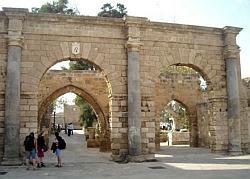
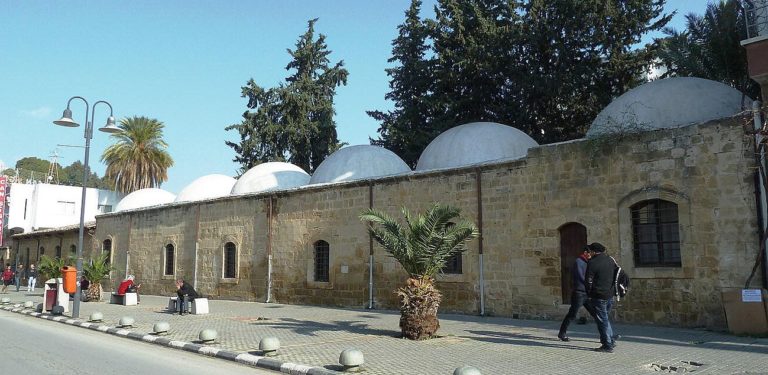
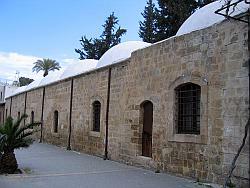
Lefkoşa, Nicosia or Lefkosia …all names for the last remaining divided city in the world, located in the centre of Cyprus.  Lefkoşa is a large city with many districts, and we’ll give you a brief introduction to the heart of the city and its history.

Lefkoşa has been the capital of Cyprus since the 7th century and was once a prosperous and prominent city for many.  Buildings, monasteries and churches have been built in a prolific fashion during the city’s long history, but Lefkoşa has also unfortunately been a place of many conflicts – such as the invasion by the Marmelukes in 1426 and the subsequent arrival of the Venetians.  They reduced the city in size and fortified it with the walls that still remain to this day.  In the process of altering the city the Venetians also destroyed many fine examples of architecture spanning hundreds of years, including the resting place of the Lusignan monarchs.

[Read more...]

KYRENIA, North Cyprus

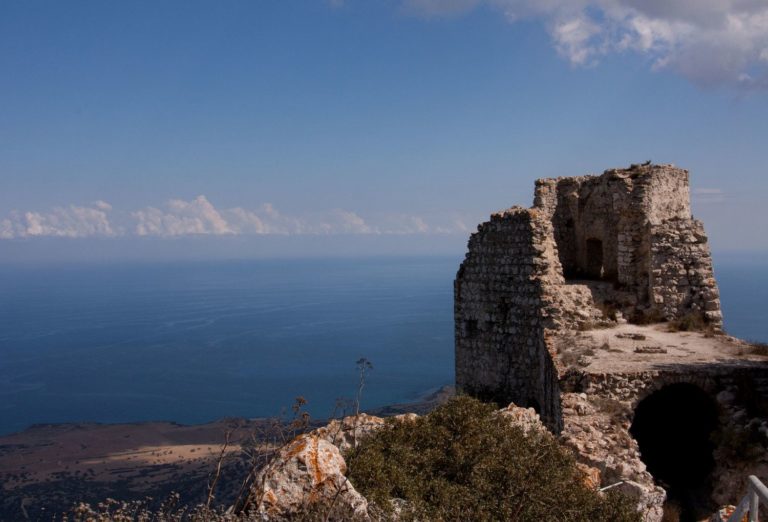
Kyrenia, or Girne – Girne being the Turkish name for the town, although most people still call it Kyrenia – is probably the most popular town in North Cyprus, and it’s located in the middle of the north coast.  Kyrenia is where all visitors to the island are naturally drawn due to the famous pretty horseshoe shaped harbour, along which you’ll find many bars and restaurants, and which is dominated by an immense Byzantine castle.

It is said that the town was founded in the 10th century, and was called Corineum during the Roman period.  As can be seen by the many tall buildings surrounding the harbour, it was once a bustling trade port, the buildings used for storage of goods such as carob.  Under the British rule many improvements were made to the harbour area and also to the road system, allowing easy access through to Lefkoşa.  Kyrenia also boasts the New Harbour to the east of the town, which is a central departure point for passengers wishing to travel to and from Turkey. [Read more...]

GÜZELYURT, North Cyprus

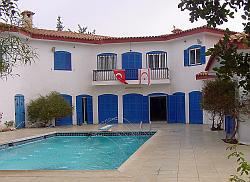
Güzelyurt is almost the last major town on North Cyprus’s north west coast – although Lefke sits slightly further west and inland.  You will also find Güzelyurt referred to as Morphou, which is the Greek name for the town.  The translation of Güzelyurt depends on the sources you read and the people you speak to, but it basically means ‘beautiful native country’ or ‘fatherland’ – while neither is a perfect literal translation, both meanings get right to heart of the matter and that is that Güzelyurt and the surrounding villages in North West Cyprus are stunningly beautiful, rich and fertile.

Güzelyurt is said to have been inhabited since Bronze Age times, and it was also a major centre for copper mining during its history.  Today, it is more commonly associated with being the citrus growing centre of North Cyprus.  Under the British rule the town was also a major part of the transportation network, it was connected by rail to Lefkoşa and Famagusta  mainly for transporting of copper.

[Read more...]

FAMAGUSTA, North Cyprus

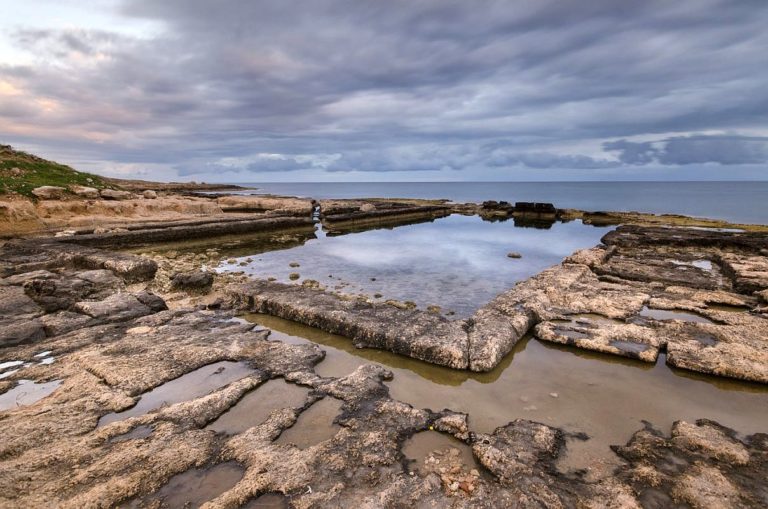
Famagusta, situated on the south east costal of Northern Cyprus, is a place where you can really feel the magic of Cyprus’ colourful past; so much so that when you visit you feel as if you can almost reach out and touch the island’s rich history.

You will also hear and see Famagusta being referred to as Mağosa, Mağusa or Gazimağusa (Gazi meaning unconquered).

Once one of the world’s most famous and richest cities when it was under the rule of the Lusignans, Famagusta is also rich in architecture from the Venetian period when it was fortified against the invading Turks.

[Read more...]